In This Blog
Get tips, updates & exclusives—no spam


BLOGS
Why a Map Alone Isn't Enough for EV Drivers in 2026
Ev Charging

Why a Map Alone Isn't Enough for EV Drivers in 2026
Electric vehicles have transformed the way we drive, but one thing hasn't changed for many EV owners, the frustration of finding the right charging station at the right time.
Years ago, having a map was enough. It showed you where to go, and you figured out the rest along the way. But imagine planning a road trip today using a paper map from the 1970s. It wouldn't tell you about traffic, road closures, fuel stops, or the fastest route. You would spend more time guessing than driving.
The same is true for many EV charging apps today. A simple map showing charger locations is no longer enough. Modern EV drivers need accurate, real-time information that helps them make confident decisions before they even start their journey.
If you've ever searched for an EV charging station near me, you already know that finding a charger is only the first step. The real question is whether that charger is the right one for your needs.
The Evolution of EV Charging
When electric vehicles first entered the mainstream, the biggest challenge was simply locating a charging station. As charging infrastructure expanded, maps became an essential tool for EV drivers.
Today, the EV ecosystem is far more advanced. Charging networks have grown, vehicles support different charging standards, and drivers expect the same convenience they receive from navigation, food delivery, and travel apps.
An EV charging app should now do much more than display charger locations. It should help drivers plan smarter, save time, and enjoy a seamless charging experience.
Why a Map Isn't Enough Anymore
1. A Pin on the Map Doesn't Tell You if the Charger Is Available
One of the most common frustrations for EV owners is arriving at a charging station only to discover that every charger is occupied or temporarily unavailable.
Real-time charger availability has become essential. Drivers want to know what's happening before they leave, not after they arrive.
Access to live charging information helps reduce waiting time, improves trip planning, and creates a much better overall experience.
2. Not Every Charger Works for Every EV
Seeing a charging station on a map doesn't guarantee compatibility.
Before choosing a charging station, EV owners often need answers to questions like:
- Does it support my connector type?
- Is it an AC or DC charger?
- What charging speed does it offer?
- Will it meet my charging requirements?
Having this information readily available helps drivers avoid unnecessary detours and charging delays.
3. Navigation Should Do More Than Show Directions
Modern navigation is about convenience, not just directions.
Drivers expect their EV charging app to guide them to the charger efficiently while helping them avoid confusion along the way.
Whether commuting to work or heading out on a road trip, seamless navigation plays an important role in reducing travel stress.
4. Charging Stops Are Part of the Journey
Charging an EV usually takes longer than refuelling a conventional vehicle. Instead of simply waiting beside the charger, drivers often use this time to relax or complete other activities.
That's why many EV owners want to know whether the charging location offers:
- Cafés
- Restrooms
- Restaurants
- Parking
- Convenience stores
- Other useful amenities
These details can significantly improve the charging experience, especially during long-distance travel.
5. Better Trip Planning Means Less Range Anxiety
Range anxiety isn't always about battery capacity. More often, it's about uncertainty.
Drivers want confidence that they'll reach the next charging station without unnecessary stress.
A modern EV charging app should help users:
- Plan charging stops along the route.
- Navigate efficiently.
- Discover suitable charging stations.
- Reduce unexpected interruptions during travel.
Good planning turns long-distance EV travel into a comfortable experience rather than a stressful one.
What Modern EV Drivers Really Expect
Today's EV owners are looking for convenience, reliability, and confidence every time they charge.
Instead of simply asking, "Where is the nearest charger?", they also want answers to questions like:
- Is the charger available?
- Is it compatible with my EV?
- How fast can it charge?
- Is the location safe and convenient?
- Are there useful amenities nearby?
- Can I easily navigate to it?
The expectations of EV drivers have evolved, and charging apps need to evolve alongside them.
Searching for an "EV Charging Station Near Me" Isn't Enough
Typing "EV charging station near me" into a search engine may show nearby charging locations, but it rarely provides the complete picture.
Drivers still need to know:
- Whether the charger is available.
- If it supports their vehicle.
- How to reach it quickly.
- Whether the charging stop has facilities they'll need.
- If it fits into their overall travel plan.
Finding a charger is only the beginning. Choosing the right charger is what truly improves the EV ownership experience.
What Makes a Great EV Charging App?
The best EV charging app should simplify every stage of the charging journey.
Key features include:
- Easy charging station discovery
- Smart search and filters
- Real-time charger information
- Connector compatibility
- Turn-by-turn navigation
- Route planning
- Nearby amenities
- Reliable charging network information
- A simple and intuitive user experience
When these features work together, drivers spend less time searching and more time enjoying the road.
Meet IONAGE: Built for the Modern EV Driver
As EV adoption continues to grow, drivers need more than just a charging station locator. They need an app that helps them make informed decisions before every charging stop.
That's where IONAGE comes in.
IONAGE is designed to deliver a smarter EV charging experience by helping users discover charging stations, navigate confidently, and plan journeys with greater ease. Instead of simply displaying locations on a map, the app focuses on providing meaningful information that supports better decision-making throughout the journey.
With IONAGE, drivers can:
- Find nearby EV charging stations quickly across 60+ charging networks and 17,000+ charge points.
- Search for the right charger based on their needs.
- Navigate with confidence.
- Plan charging stops for longer trips.
- Explore nearby amenities like cafés, restrooms, and more at selected charging locations, so you can make the most of your stop (coming soon).
- Enjoy a smoother and more convenient charging experience.
Whether you're driving across the city or planning your next road trip, IONAGE helps take the guesswork out of EV charging, making every journey simpler and more reliable.
Conclusion
A map was enough when the only challenge was locating a charging station.
Today's EV drivers expect much more. They want accurate information, smarter navigation, better trip planning, and confidence that every charging stop will fit seamlessly into their journey.
The next time you search for an EV charging station near me, remember that finding a charger is only part of the experience. Choosing the right EV charging app can make every drive smoother, every charging stop more convenient, and every journey more enjoyable.
If you're looking for a smarter way to discover, navigate, and charge, IONAGE is built to help you get there.
Frequently Asked Questions (FAQs)
1. What is the best EV charging app?
The best EV charging app helps you do more than locate charging stations. It should provide charger discovery, navigation, trip planning, compatibility information, and useful details that make charging easier and more reliable.
2. How can I find an EV charging station near me?
You can use a dedicated EV charging app like IONAGE to search for nearby charging stations, navigate to them, and access additional information that helps you choose the right charger for your journey.
3. Why isn't a charging station map enough?
A map only shows where charging stations are located. Modern EV drivers also need information such as charger availability, compatibility, navigation, and nearby amenities to make informed decisions.
4. What should I check before visiting an EV charging station?
Before heading to a charging station, it's helpful to check connector compatibility, charger type, charging speed, location, nearby amenities, and whether it fits into your planned route.
5. Can an EV charging app help with road trips?
Yes. A modern EV charging app can help you discover charging stations, plan charging stops, navigate efficiently, and reduce range anxiety, making long-distance EV travel much more convenient.
As the world shifts gears toward a more sustainable future, the way we drive is changing—fast. Are you in the market for an EV? In your research, you might have come across different EV and Hybrid technologies from various manufacturers. Was it confusing or complex? We are here to de-mystify and help in your decision.
No worries—we’re here to break it down! Let’s explore the key differences between Electric Vehicles (EVs) and Hybrid Vehicles, so you can make the right choice.
What is the deal with electric vehicles (EV’s)
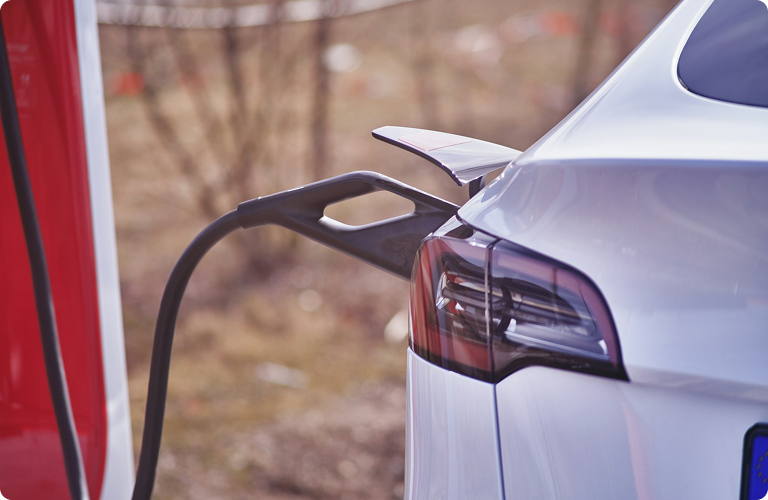
Electric vehicles run purely on electricity and are powered by rechargeable batteries that run the electric motor. That’s it. Here are a few reasons that give EVs an unfair advantage:
- Modern Design and Ownership: EVs have changed the fundamentals of the vehicle. You see a much more modern aesthetic and design for EVs. Additionally, this helps EV manufacturers develop innovative ways of ownership such as the MG Windsor.
- Lower Running Costs: The charge per kilometer for EVs is much lower than running on gas. Also, fewer running parts mean lesser maintenance.
- Eco-Friendly: With zero emissions, EVs are cleaner and quieter than traditional cars, contributing to reduced pollution and better air quality. Good for the planet, good for your lungs!
But it’s not all sunshine and supercharging. EVs do have some limits, especially when it comes to range. Currently, You’ll need to plan ahead if you’re going on a long road trip, but hey—that’s what apps and fast chargers are for! Then there is the question of batteries.
The Hybrid Vehicle: Best of Both Worlds?
If you're not ready to go fully electric yet, the next available option is a hybrid Vehicle. A hybrid vehicle uses a combination of gasoline and electric power to drive the vehicle. Hybrid technologies are considered a great intermediate step before the grand march toward a fully EV world. This makes them easy to recommend.
Here’s why a Hybrid Vehicle might be considered:
- Better Fuel Efficiency: Since hybrids can use electricity to supplement gasoline, they use less fuel overall—making them more efficient than traditional gas-powered cars.
- Extended Range: Worried about running out of charge? Hybrids still have gasoline backup, so you can go the distance without range anxiety.
- Familiarity: between EV and ICE, Hybrids feel like traditional fuel-powered cars but add a sustainable twist. It's just like an extension of an ICE.
Before pegging on the Hybrid Vehicle, consider the following.
- Space and Design: Hybrid Vehicles need to have batteries as well as a combustion engine. This greatly reduces space efficiency. Big boxes for the next adventure would be difficult to fit. They are also not as quiet as EVs. The design tends to be closer to traditional automotive without the advantages of the modern EV experience.
- Extended Range: Worried about running out of charge? Hybrids still have gasoline backup, so you can go the distance without range anxiety.
- Familiarity: between EV and ICE, Hybrids feel like traditional fuel-powered cars but add a sustainable twist. It's just like an extension of an ICE.
Still, for those who aren’t ready to take the full EV plunge, hybrids offer a solid first step.
Which One Should You Choose?
Ultimately, deciding between an EV and a Hybrid Vehicle comes down to your lifestyle and driving needs.
- If you’re all about cutting emissions and want the latest tech with the lowest environmental impact, go electric. You’ll be doing your part to keep the planet green while enjoying cutting-edge innovation.
- If you’re not ready to give up the flexibility of gasoline but still want to reduce your carbon footprint, a hybrid might be the perfect compromise.
At Ionage Technologies, we believe in the power of choice—because there’s no one-size-fits-all answer when it comes to sustainable driving. Whether you choose a full EV or a hybrid, both options represent a step toward a cleaner, smarter future.
Wrapping it up: the road ahead
As EV charging infrastructure grows and technology improves, the gap between electric and hybrid vehicles is closing fast. More people are embracing electric mobility, and the future looks bright. Whichever path you choose, it’s clear that sustainable mobility is the destination.
Ready to make your move? Join us on the journey to electrify the roads and drive toward a greener tomorrow.