In This Blog
Get tips, updates & exclusives—no spam


BLOGS
Choosing the Right EV Fleet Management Platform for Your Business
Featured
Software
Fleet Charging

Choosing the Right EV Fleet Management Platform for Your Business
Introduction: The Shift to Smarter Fleet Management
India’s EV ecosystem is growing fast, and so are the expectations from fleet operators. What started as a simple switch to electric vehicles has now evolved into a more complex operational challenge.
Managing an EV fleet today isn’t just about vehicles. It’s about charging access, cost control, uptime, driver experience, and data visibility all at once.
Many businesses still rely on multiple apps, disconnected charging networks, and manual tracking. The result? Inefficiencies, delays, and rising operational costs.
This is why choosing the right EV fleet management platform is no longer optional. It’s a critical decision that directly impacts your business performance.
What is an EV Fleet Management Platform?
An EV fleet management platform is a centralized system that helps businesses manage, monitor, and optimize their electric vehicle operations.
Unlike basic charging apps that only help you find and use chargers, a full-fledged platform enables you to:
- Access multiple charging networks
- Manage payments and billing in one place
- Monitor fleet activity in real time
- Analyze usage and optimize operations
In short, it acts as the control center for your EV fleet operations.
Why Your Business Needs One
Without a unified platform, EV fleet operations quickly become fragmented.
Here’s what that typically looks like:
- Drivers switching between multiple charging apps
- Limited visibility into charging activity
- Complicated billing across different vendors
- Difficulty in tracking costs and usage
- Increased downtime due to poor planning
These challenges don’t just slow you down, they directly impact your bottom line.
A well-designed EV fleet management platform solves this by bringing everything together, enabling smoother operations, better decision-making, and improved efficiency.
Key Features to Look For in an EV Fleet Management Platform
Not all platforms are built the same. Here are the features that truly matter:
Multi-Network Charging Access
Your fleet shouldn’t be limited to a single charging provider.
Access to multiple networks ensures:
- Better route flexibility
- Reduced waiting time
- Higher uptime
Unified Wallet & Billing
Handling payments across different charging operators can be messy.
A single wallet simplifies:
- Payments
- Invoicing
- Reconciliation
Real-Time Fleet Visibility
You need to know what’s happening, at all times.
Real-time insights help you:
- Track charging status
- Monitor vehicle activity
- Avoid unnecessary delays
Smart Pricing & Cost Optimization
Charging costs can vary significantly across locations.
A good platform helps you:
- Access B2B tariffs
- Optimize where and when you charge
- Control overall costs
Data & Insights Dashboard
Data is what turns operations into strategy.
With the right insights, you can:
- Identify inefficiencies
- Improve utilization
- Optimize EV fleet operations
Scalability
Your platform should grow with your business.
Whether you operate in one city or across multiple regions, scalability is key.
Common Mistakes Businesses Make
When choosing a platform, many businesses fall into these traps:
- Focusing only on price instead of long-term value
- Ignoring network coverage, leading to operational limitations
- Overlooking data capabilities, missing out on optimization opportunities
- Using multiple disconnected tools, creating more complexity instead of less
Avoiding these mistakes can save both time and money in the long run.
How the Right Platform Improves EV Fleet Operations
A strong EV fleet management platform doesn’t just simplify, it transforms how your fleet operates.
Here’s how:
- Reduced downtime: Better access to chargers and smarter planning
- Improved productivity: Drivers spend less time searching and waiting
- Lower costs: Optimized charging decisions and transparent pricing
- Operational clarity: Full visibility into fleet activity
- Scalable growth: Easily expand operations without added complexity
In short, it turns reactive operations into proactive, data-driven systems.
Evaluating Platforms: A Quick Checklist
Before making a decision, ask:
- Does it support multiple charging networks?
- Is billing centralized and easy to manage?
- Can I track my fleet in real time?
- Are insights actionable and useful?
If the answer to any of these is “no,” it’s worth reconsidering.
Why Platforms Like IONAGE FLO Stand Out
Modern platforms like IONAGE FLO are built specifically to address the real challenges of EV fleet operators.
With features like:
- Access to 50+ charging networks
- A single, unified wallet
- Centralized dashboards and insights
- A neutral platform approach
They simplify complexity and bring everything under one roof, making EV fleet management more efficient and scalable.
Conclusion: Make the Right Choice for Long-Term Growth
As EV adoption accelerates, the way you manage your fleet will define your competitive edge.
Choosing the right EV fleet management platform is not just about solving today’s problems, it’s about preparing for tomorrow’s growth.
The right platform gives you:
- Control
- Visibility
- Efficiency
- And the ability to scale with confidence
Ready to simplify your EV fleet operations? Discover how IONAGE FLO can power your fleet with one unified platform.
As the world shifts gears toward a more sustainable future, the way we drive is changing—fast. Are you in the market for an EV? In your research, you might have come across different EV and Hybrid technologies from various manufacturers. Was it confusing or complex? We are here to de-mystify and help in your decision.
No worries—we’re here to break it down! Let’s explore the key differences between Electric Vehicles (EVs) and Hybrid Vehicles, so you can make the right choice.
What is the deal with electric vehicles (EV’s)
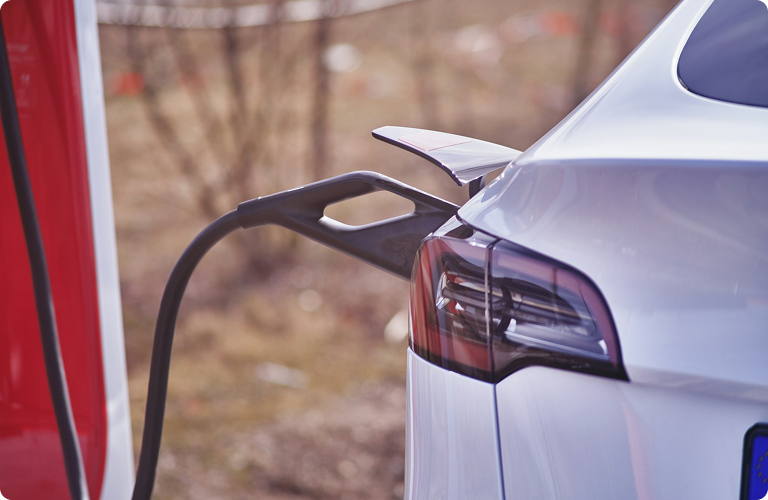
Electric vehicles run purely on electricity and are powered by rechargeable batteries that run the electric motor. That’s it. Here are a few reasons that give EVs an unfair advantage:
- Modern Design and Ownership: EVs have changed the fundamentals of the vehicle. You see a much more modern aesthetic and design for EVs. Additionally, this helps EV manufacturers develop innovative ways of ownership such as the MG Windsor.
- Lower Running Costs: The charge per kilometer for EVs is much lower than running on gas. Also, fewer running parts mean lesser maintenance.
- Eco-Friendly: With zero emissions, EVs are cleaner and quieter than traditional cars, contributing to reduced pollution and better air quality. Good for the planet, good for your lungs!
But it’s not all sunshine and supercharging. EVs do have some limits, especially when it comes to range. Currently, You’ll need to plan ahead if you’re going on a long road trip, but hey—that’s what apps and fast chargers are for! Then there is the question of batteries.
The Hybrid Vehicle: Best of Both Worlds?
If you're not ready to go fully electric yet, the next available option is a hybrid Vehicle. A hybrid vehicle uses a combination of gasoline and electric power to drive the vehicle. Hybrid technologies are considered a great intermediate step before the grand march toward a fully EV world. This makes them easy to recommend.
Here’s why a Hybrid Vehicle might be considered:
- Better Fuel Efficiency: Since hybrids can use electricity to supplement gasoline, they use less fuel overall—making them more efficient than traditional gas-powered cars.
- Extended Range: Worried about running out of charge? Hybrids still have gasoline backup, so you can go the distance without range anxiety.
- Familiarity: between EV and ICE, Hybrids feel like traditional fuel-powered cars but add a sustainable twist. It's just like an extension of an ICE.
Before pegging on the Hybrid Vehicle, consider the following.
- Space and Design: Hybrid Vehicles need to have batteries as well as a combustion engine. This greatly reduces space efficiency. Big boxes for the next adventure would be difficult to fit. They are also not as quiet as EVs. The design tends to be closer to traditional automotive without the advantages of the modern EV experience.
- Extended Range: Worried about running out of charge? Hybrids still have gasoline backup, so you can go the distance without range anxiety.
- Familiarity: between EV and ICE, Hybrids feel like traditional fuel-powered cars but add a sustainable twist. It's just like an extension of an ICE.
Still, for those who aren’t ready to take the full EV plunge, hybrids offer a solid first step.
Which One Should You Choose?
Ultimately, deciding between an EV and a Hybrid Vehicle comes down to your lifestyle and driving needs.
- If you’re all about cutting emissions and want the latest tech with the lowest environmental impact, go electric. You’ll be doing your part to keep the planet green while enjoying cutting-edge innovation.
- If you’re not ready to give up the flexibility of gasoline but still want to reduce your carbon footprint, a hybrid might be the perfect compromise.
At Ionage Technologies, we believe in the power of choice—because there’s no one-size-fits-all answer when it comes to sustainable driving. Whether you choose a full EV or a hybrid, both options represent a step toward a cleaner, smarter future.
Wrapping it up: the road ahead
As EV charging infrastructure grows and technology improves, the gap between electric and hybrid vehicles is closing fast. More people are embracing electric mobility, and the future looks bright. Whichever path you choose, it’s clear that sustainable mobility is the destination.
Ready to make your move? Join us on the journey to electrify the roads and drive toward a greener tomorrow.