In This Blog
Get tips, updates & exclusives—no spam


BLOGS
EV Fleet Charging Isn’t an Infrastructure Problem, It’s an Operations Problem
Fleet Charging

EV Fleet Charging Isn’t an Infrastructure Problem, It’s an Operations Problem
The Invisible Problem in EV Fleets
Most fleet operators think EV fleet charging is an infrastructure problem.
More chargers.
More power.
More investment.
But here’s the reality:
Most EV fleet inefficiencies don’t come from lack of infrastructure.
They come from how charging is managed.
And that’s where fleets start losing time, money, and scale.
EV Fleet Charging: The Assumption vs Reality
The Assumption
“If we install enough chargers, our fleet will run smoothly.”
The Reality
Even with enough chargers:
- Vehicles still wait
- Drivers still search for chargers
- Energy costs still spike
- Operations still get delayed
Because EV fleet charging is not just about hardware,
it’s about coordination.
Where EV Fleet Charging Actually Breaks Down
1. Charging Happens… But Not at the Right Time
Vehicles plug in, but:
- Not during off-peak hours
- Not based on priority
- Not aligned with schedules
Result:
Higher costs + unready vehicles
2. Drivers Become Decision Makers
In many fleets:
- Drivers decide where to charge
- Drivers figure out which app to use
- Drivers deal with charger availability
That’s not scalable.
Charging decisions should be system-driven, not driver-dependent.
3. Public Charging = Chaos Without Structure
Fleets relying on public charging face:
- Multiple apps
- Inconsistent pricing
- Uncertain availability
This leads to:
- Idle time
- Route deviations
- Operational inefficiency
4. Energy Is Used, But Not Optimized
Most fleets don’t control:
- When energy is consumed
- How load is distributed
- Which vehicles get priority
So even with EVs, costs creep up.
5. No Single Source of Truth
Fleet managers often lack:
- Real-time visibility
- Unified dashboards
- Charging insights
Which means:
Decisions are reactive, not strategic.
The Real Shift in EV Fleet Charging
The industry is moving from:
“Where can we charge?”
to
“How do we charge intelligently?”
This shift includes:
- Priority-based charging
- Schedule-aware energy allocation
- Integrated fleet + charging systems
- Real-time decision-making
What Efficient EV Fleet Charging Actually Looks Like
When done right, EV fleet charging becomes predictable.
- Vehicles are charged based on next trip priority
- Charging happens during low-cost energy windows
- Drivers don’t need to think about charging
- Public charging is planned, not reactive
- Managers have full visibility across operations
This is when fleets start to scale smoothly.
The Hidden Cost Nobody Tracks
Most fleets track:
- Electricity costs
- Charger utilization
But they miss:
Operational leakage
- Time spent finding chargers
- Delays in starting sessions
- Route deviations
- Idle vehicles
Individually small.
At scale? Massive.
Why EV Fleet Charging Needs a System, Not Just Infrastructure
Adding chargers solves:
- Access problems
But not:
- Scheduling
- Optimization
- Coordination
- Cost control
That’s why EV fleet charging needs:
a connected system layer on top of infrastructure.
Where On-Road Charging Becomes Critical
Depot charging works, until it doesn’t.
The moment fleets:
- Expand routes
- Increase utilization
- Operate across cities
They depend on on-road charging.
And that’s where most inefficiencies show up.
How IONAGE Flo Fixes the On-Road Charging Gap
IONAGE Flo addresses one of the biggest gaps in EV fleet charging:
Fragmented public charging access.
Instead of:
- Multiple apps
- Unpredictable availability
- Disconnected payments
IONAGE Flo enables:
- Access to multiple charging networks in one place
- Real-time charger discovery
- Better route planning with charging visibility
- Seamless, unified payments
For fleets, this means:
- Less driver confusion
- Faster charging decisions
- Reduced downtime
- More predictable operations
Because efficient EV fleet charging doesn’t just happen at depots,
it happens everywhere your fleet operates.
FAQs
Why is EV fleet charging difficult to manage?
Because it involves coordinating multiple vehicles, chargers, energy constraints, and operational schedules simultaneously.
Is EV fleet charging only about infrastructure?
No. Infrastructure is only one part, efficient charging requires scheduling, optimization, and system-level coordination.
What is the biggest inefficiency in EV fleet charging?
Unplanned charging, especially during peak hours or via fragmented public networks.
How can fleets improve EV fleet charging efficiency?
By using smart systems, optimizing charging schedules, and simplifying access to charging networks.
Why is on-road charging important for EV fleets?
It ensures operational flexibility and prevents downtime when vehicles operate beyond depot limits.
As the world shifts gears toward a more sustainable future, the way we drive is changing—fast. Are you in the market for an EV? In your research, you might have come across different EV and Hybrid technologies from various manufacturers. Was it confusing or complex? We are here to de-mystify and help in your decision.
No worries—we’re here to break it down! Let’s explore the key differences between Electric Vehicles (EVs) and Hybrid Vehicles, so you can make the right choice.
What is the deal with electric vehicles (EV’s)
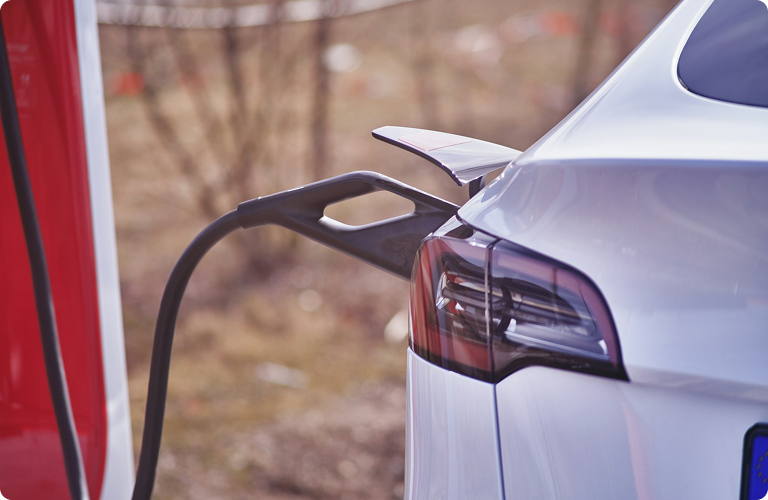
Electric vehicles run purely on electricity and are powered by rechargeable batteries that run the electric motor. That’s it. Here are a few reasons that give EVs an unfair advantage:
- Modern Design and Ownership: EVs have changed the fundamentals of the vehicle. You see a much more modern aesthetic and design for EVs. Additionally, this helps EV manufacturers develop innovative ways of ownership such as the MG Windsor.
- Lower Running Costs: The charge per kilometer for EVs is much lower than running on gas. Also, fewer running parts mean lesser maintenance.
- Eco-Friendly: With zero emissions, EVs are cleaner and quieter than traditional cars, contributing to reduced pollution and better air quality. Good for the planet, good for your lungs!
But it’s not all sunshine and supercharging. EVs do have some limits, especially when it comes to range. Currently, You’ll need to plan ahead if you’re going on a long road trip, but hey—that’s what apps and fast chargers are for! Then there is the question of batteries.
The Hybrid Vehicle: Best of Both Worlds?
If you're not ready to go fully electric yet, the next available option is a hybrid Vehicle. A hybrid vehicle uses a combination of gasoline and electric power to drive the vehicle. Hybrid technologies are considered a great intermediate step before the grand march toward a fully EV world. This makes them easy to recommend.
Here’s why a Hybrid Vehicle might be considered:
- Better Fuel Efficiency: Since hybrids can use electricity to supplement gasoline, they use less fuel overall—making them more efficient than traditional gas-powered cars.
- Extended Range: Worried about running out of charge? Hybrids still have gasoline backup, so you can go the distance without range anxiety.
- Familiarity: between EV and ICE, Hybrids feel like traditional fuel-powered cars but add a sustainable twist. It's just like an extension of an ICE.
Before pegging on the Hybrid Vehicle, consider the following.
- Space and Design: Hybrid Vehicles need to have batteries as well as a combustion engine. This greatly reduces space efficiency. Big boxes for the next adventure would be difficult to fit. They are also not as quiet as EVs. The design tends to be closer to traditional automotive without the advantages of the modern EV experience.
- Extended Range: Worried about running out of charge? Hybrids still have gasoline backup, so you can go the distance without range anxiety.
- Familiarity: between EV and ICE, Hybrids feel like traditional fuel-powered cars but add a sustainable twist. It's just like an extension of an ICE.
Still, for those who aren’t ready to take the full EV plunge, hybrids offer a solid first step.
Which One Should You Choose?
Ultimately, deciding between an EV and a Hybrid Vehicle comes down to your lifestyle and driving needs.
- If you’re all about cutting emissions and want the latest tech with the lowest environmental impact, go electric. You’ll be doing your part to keep the planet green while enjoying cutting-edge innovation.
- If you’re not ready to give up the flexibility of gasoline but still want to reduce your carbon footprint, a hybrid might be the perfect compromise.
At Ionage Technologies, we believe in the power of choice—because there’s no one-size-fits-all answer when it comes to sustainable driving. Whether you choose a full EV or a hybrid, both options represent a step toward a cleaner, smarter future.
Wrapping it up: the road ahead
As EV charging infrastructure grows and technology improves, the gap between electric and hybrid vehicles is closing fast. More people are embracing electric mobility, and the future looks bright. Whichever path you choose, it’s clear that sustainable mobility is the destination.
Ready to make your move? Join us on the journey to electrify the roads and drive toward a greener tomorrow.