In This Blog
Get tips, updates & exclusives—no spam


BLOGS
What Is EV Fleet Charging? Complete Guide for Fleet Operators
Fleet Charging

What Is EV Fleet Charging? Complete Guide for Fleet Operators
Electric vehicles are transforming how businesses operate their transportation systems. From delivery services and ride-hailing platforms to corporate mobility and public transport, organizations are increasingly adopting EVs to reduce fuel costs and meet sustainability goals.
However, transitioning to electric vehicles is only part of the journey. One of the biggest operational challenges that companies face after electrification is EV fleet charging.
Unlike individual EV owners who charge one vehicle at a time, fleet operators must manage the charging needs of multiple vehicles simultaneously. Without proper systems, inefficient EV fleet charging can lead to operational delays, driver downtime, and hidden costs that reduce overall productivity.
In this guide, we explore what EV fleet charging is, how it works, the challenges fleet operators face, and how businesses can optimize their fleet charging operations.
What Is EV Fleet Charging?
EV fleet charging refers to the process of managing and optimizing the charging of multiple electric vehicles within a fleet. The goal of EV fleet charging is to ensure that vehicles remain powered, operational, and ready for daily operations without causing delays or disruptions.
While an individual EV driver simply plugs in their vehicle when needed, EV fleet charging requires coordinated systems that consider several operational factors, including:
- Charger availability
- Charging schedules
- Vehicle usage patterns
- Energy consumption
- Fleet operational timelines
Efficient EV fleet charging ensures that vehicles charge at the right time and location while minimizing downtime.
Fleet operators typically rely on several charging strategies:
- Depot charging
Vehicles charge at a central depot or hub, usually overnight when electricity demand is lower.
- Public charging
Vehicles access public charging infrastructure during daily operations.
- Opportunity charging
Vehicles charge during idle time between trips or deliveries.
Most organizations combine these approaches to build a reliable EV fleet charging infrastructure.
What Is an Electric Vehicle Fleet?
An electric vehicle fleet is a group of electric vehicles owned or operated by a company or organization for commercial use.
These fleets can range from a few vehicles to thousands depending on the scale of operations. As the number of vehicles increases, managing EV fleet charging becomes increasingly complex.
Industries that commonly operate EV fleets include:
- Logistics and last-mile delivery companies
- Ride-hailing and taxi services
- Public transportation providers
- Corporate employee transportation fleets
- Government and municipal fleets
For these organizations, efficient EV fleet charging is critical for ensuring vehicles remain available and operational throughout the day.
How EV Fleet Charging Works
Successful EV fleet charging requires coordination between vehicles, charging infrastructure, and fleet management systems.
A typical EV fleet charging workflow looks like this:
1. Vehicles return to a charging location
Vehicles arrive at a depot, charging hub, or public station after completing routes.
2. Chargers are identified and allocated
Drivers or fleet managers identify available charging stations for the vehicles.
3. Charging sessions begin
Vehicles connect to chargers and start charging sessions.
4. Charging progress is monitored
Fleet managers monitor energy usage, charging status, and vehicle readiness.
5. Vehicles return to operations
Once fully charged, vehicles are ready to resume operations.
Without proper coordination, EV fleet charging can become inefficient, especially when fleets operate across multiple cities or charging networks.
Hidden Costs of Inefficient EV Fleet Charging
Although electric vehicles reduce fuel costs, poorly managed EV fleet charging can introduce new operational challenges.
Empty Trips
Fleet vehicles sometimes travel long distances just to locate an available charger. These empty trips consume battery energy and driver time without generating revenue.
Over time, this reduces the overall efficiency of EV fleet charging operations.
Operational Delays
Drivers may spend 20–30 minutes coordinating with operations teams or charger networks just to start charging. These delays increase vehicle downtime and reduce utilization.
Efficient EV fleet charging solutions must minimize this operational latency.
Charger Unavailability
Another major challenge in EV fleet charging is reaching a charger that is already occupied or unavailable.
When nearby chargers are not accessible, vehicles may run dangerously low on battery while searching for alternatives. This can result in stranded vehicles, service delays, and operational disruptions.
Across large fleets, these inefficiencies can cost operators hundreds of rupees per vehicle per day.
The Challenge of Managing Multiple Charging Networks
A key difficulty in EV fleet charging is the fragmented charging ecosystem.
Fleet operators often rely on several charging providers across different regions. As a result, drivers and fleet managers must manage:
- Multiple charging apps
- Different login credentials
- Separate billing systems
- Individual invoices from multiple charging networks
This fragmented environment makes EV fleet charging management complicated and inefficient.
Fleet operators need a more unified approach to managing their EV fleet charging infrastructure.
Key Considerations for EV Fleet Charging Infrastructure
Building efficient EV fleet charging infrastructure requires careful planning and the right technology.
Charging Infrastructure Planning
Fleet operators must analyze several operational factors before deploying chargers:
- Fleet size
- Daily vehicle mileage
- Charging time availability
- Future fleet expansion plans
Proper planning ensures that the EV fleet charging infrastructure can support long-term operational needs.
Charging Equipment
Choosing the right charging equipment is essential for efficient EV fleet charging.
Most fleets use a combination of:
AC chargers for overnight depot charging.
DC fast chargers for rapid charging during operations.
A balanced combination helps fleets optimize costs and minimize downtime.
Charging Locations
Strategic charger placement is crucial for efficient EV fleet charging.
Common locations include:
- Fleet depots
- Logistics hubs
- Public charging stations along operational routes
Properly placed chargers help reduce vehicle downtime and improve the efficiency of EV fleet charging operations.
Energy Management and Load Balancing
Charging multiple vehicles simultaneously can put pressure on electrical infrastructure.
Smart energy management systems help optimize power distribution, schedule charging sessions, and prevent grid overload.
These technologies significantly improve EV fleet charging efficiency.
he Future of EV Fleet Charging
The ecosystem around EV fleet charging is evolving rapidly as electric mobility adoption grows worldwide.
Several innovations are shaping the future of EV fleet charging solutions.
Expansion of Charging Infrastructure
Governments and private companies are investing heavily in charging infrastructure to support the growth of electric fleets.
This will make EV fleet charging infrastructure more accessible across cities and highways.
Faster Charging Technologies
Ultra-fast DC charging technologies will reduce charging times dramatically, allowing fleet vehicles to return to service quickly.
Faster charging improves the efficiency of EV fleet charging operations.
Smart Charging Platforms
Software-driven platforms will play a crucial role in optimizing EV fleet charging management by providing real-time insights into charger availability, energy usage, and fleet charging activity.
Bidirectional Charging
Technologies such as Vehicle-to-Grid allow EVs to supply electricity back to the grid during peak demand periods.
This could transform fleet vehicles into mobile energy assets.
How IONAGE Simplifies EV Fleet Charging
Managing EV fleet charging across multiple networks, vehicles, and chargers can quickly become complex for fleet operators.
Fragmented charging networks, multiple apps, and manual coordination often slow down EV fleet charging operations.
This is where IONAGE helps simplify fleet charging management.
IONAGE acts as a central orchestration platform for EV fleet charging, enabling fleets to manage charging operations more efficiently.
With IONAGE, fleet operators can:
Access Multiple Charging Networks from One Platform
IONAGE enables fleets to discover and access chargers across multiple networks through a single platform, simplifying EV fleet charging management.
Get Fleet-Friendly Charging Tariffs
IONAGE offers business pricing designed specifically for EV fleet charging, helping fleets control charging costs without minimum guarantees.
Simplify Payments and Billing
IONAGE provides a centralized wallet for prepaid charging and consolidated payouts to multiple Charge Point Operators, making EV fleet charging payments easier to manage.
Gain Operational Visibility
Fleet managers receive vehicle-level analytics and insights into charging sessions, energy consumption, and fleet activity, helping optimize EV fleet charging operations.
Improve Fleet Productivity
By simplifying charger discovery, charging initiation, and billing, IONAGE ensures vehicles spend more time on the road and less time waiting to charge.
Power Your EV Fleet Charging with IONAGE
Efficient EV fleet charging is essential for modern fleet operations. Without the right systems in place, fleets can face operational delays, fragmented charging networks, and hidden costs.
IONAGE helps fleet operators simplify EV fleet charging by providing unified access to multiple charging networks, centralized charging management, and real-time fleet insights.
By bringing everything together in one platform, IONAGE enables businesses to build smarter, scalable EV fleet charging solutions.
Want to see how IONAGE can simplify EV fleet charging for your fleet?
Book a demo today and discover how your fleet can charge smarter, reduce inefficiencies, and scale EV operations with confidence.
As the world shifts gears toward a more sustainable future, the way we drive is changing—fast. Are you in the market for an EV? In your research, you might have come across different EV and Hybrid technologies from various manufacturers. Was it confusing or complex? We are here to de-mystify and help in your decision.
No worries—we’re here to break it down! Let’s explore the key differences between Electric Vehicles (EVs) and Hybrid Vehicles, so you can make the right choice.
What is the deal with electric vehicles (EV’s)
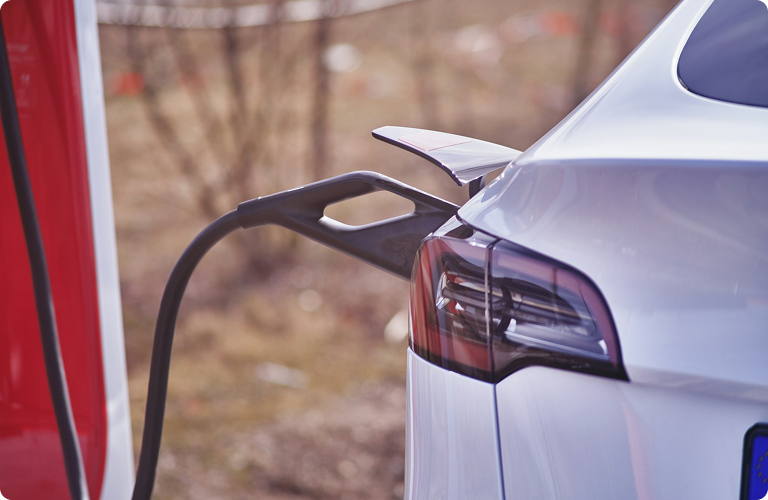
Electric vehicles run purely on electricity and are powered by rechargeable batteries that run the electric motor. That’s it. Here are a few reasons that give EVs an unfair advantage:
- Modern Design and Ownership: EVs have changed the fundamentals of the vehicle. You see a much more modern aesthetic and design for EVs. Additionally, this helps EV manufacturers develop innovative ways of ownership such as the MG Windsor.
- Lower Running Costs: The charge per kilometer for EVs is much lower than running on gas. Also, fewer running parts mean lesser maintenance.
- Eco-Friendly: With zero emissions, EVs are cleaner and quieter than traditional cars, contributing to reduced pollution and better air quality. Good for the planet, good for your lungs!
But it’s not all sunshine and supercharging. EVs do have some limits, especially when it comes to range. Currently, You’ll need to plan ahead if you’re going on a long road trip, but hey—that’s what apps and fast chargers are for! Then there is the question of batteries.
The Hybrid Vehicle: Best of Both Worlds?
If you're not ready to go fully electric yet, the next available option is a hybrid Vehicle. A hybrid vehicle uses a combination of gasoline and electric power to drive the vehicle. Hybrid technologies are considered a great intermediate step before the grand march toward a fully EV world. This makes them easy to recommend.
Here’s why a Hybrid Vehicle might be considered:
- Better Fuel Efficiency: Since hybrids can use electricity to supplement gasoline, they use less fuel overall—making them more efficient than traditional gas-powered cars.
- Extended Range: Worried about running out of charge? Hybrids still have gasoline backup, so you can go the distance without range anxiety.
- Familiarity: between EV and ICE, Hybrids feel like traditional fuel-powered cars but add a sustainable twist. It's just like an extension of an ICE.
Before pegging on the Hybrid Vehicle, consider the following.
- Space and Design: Hybrid Vehicles need to have batteries as well as a combustion engine. This greatly reduces space efficiency. Big boxes for the next adventure would be difficult to fit. They are also not as quiet as EVs. The design tends to be closer to traditional automotive without the advantages of the modern EV experience.
- Extended Range: Worried about running out of charge? Hybrids still have gasoline backup, so you can go the distance without range anxiety.
- Familiarity: between EV and ICE, Hybrids feel like traditional fuel-powered cars but add a sustainable twist. It's just like an extension of an ICE.
Still, for those who aren’t ready to take the full EV plunge, hybrids offer a solid first step.
Which One Should You Choose?
Ultimately, deciding between an EV and a Hybrid Vehicle comes down to your lifestyle and driving needs.
- If you’re all about cutting emissions and want the latest tech with the lowest environmental impact, go electric. You’ll be doing your part to keep the planet green while enjoying cutting-edge innovation.
- If you’re not ready to give up the flexibility of gasoline but still want to reduce your carbon footprint, a hybrid might be the perfect compromise.
At Ionage Technologies, we believe in the power of choice—because there’s no one-size-fits-all answer when it comes to sustainable driving. Whether you choose a full EV or a hybrid, both options represent a step toward a cleaner, smarter future.
Wrapping it up: the road ahead
As EV charging infrastructure grows and technology improves, the gap between electric and hybrid vehicles is closing fast. More people are embracing electric mobility, and the future looks bright. Whichever path you choose, it’s clear that sustainable mobility is the destination.
Ready to make your move? Join us on the journey to electrify the roads and drive toward a greener tomorrow.