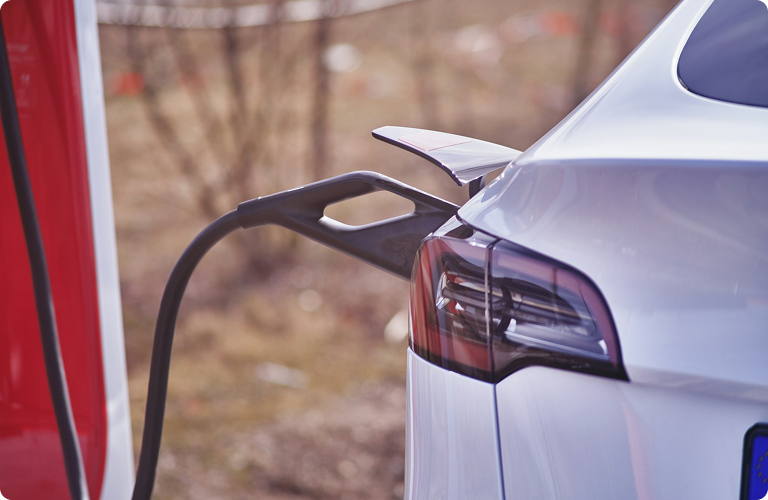
More people are switching to electric vehicles every year, and for good reason. Lower running costs, a smoother ride, and less time at the garage. But if you're seriously considering one, there's a side of EV ownership that doesn't get talked about enough: charging. Not range numbers, not battery specs. Just the everyday reality of keeping your car powered. That's what this guide is about.
First, why EVs are worth it
The reasons people make the switch are fairly consistent. Running costs are lower. Electricity is cheaper per kilometre than petrol or diesel, and with fewer mechanical parts, servicing bills shrink too. No oil changes. Fewer components to wear out. It adds up.
The driving experience is a pleasant surprise for most new owners. Smooth, quiet, with instant response when you put your foot down. It's not just different. Most people find it noticeably better.
The question everyone asks, and the better one
When most people start looking at EVs, the first thing they check is range. It makes sense. You're used to a petrol car you can refuel in minutes, anywhere. Range feels like the safety net.
But here's the thing: for most people, range isn't actually the issue. The vast majority of daily drives (commutes, school runs, weekend errands) sit comfortably within what even a modest EV handles on a single charge.
The more useful question to ask yourself is: how easily can I charge?
A car with 400km of range and no nearby charger is more stressful to own than one with 280km and a charger outside your office.
Where you live, where you work, the routes you regularly travel. These things matter far more than the number on a spec sheet.
What's actually worth thinking through before you buy
A bit of honest self-assessment goes a long way here. These are the questions that will genuinely shape your experience:
- Can you charge at home? If yes, overnight charging becomes your default, and most of the complexity disappears.
- What does your typical week look like? Regular commutes are a natural fit. Frequent long motorway trips need a bit more planning.
- What's public charging like near you? Coverage has improved a lot, but it still varies by area. Worth a quick check before committing.
- Have you looked at total cost, not just sticker price? Higher upfront, lower ongoing. The numbers usually work in your favour, but run them for your situation.
Range anxiety is really about charging confidence
Range anxiety is probably the most talked-about concern for anyone considering an EV. But if you ask people who've actually experienced it, you start to notice a pattern: it's rarely about the battery running out. It's about not knowing if there'll be a working charger when you need one.
That uncertainty is real, and it's fair. The charging landscape can feel fragmented: different networks, different apps, availability that varies. For new owners especially, that's where the frustration tends to live.
The good news is it's getting better, faster than most people realise. Improved planning tools, wider network coverage, and platforms that pull multiple chargers into one view are steadily smoothing out the rough edges.
Planning ahead makes long drives genuinely easy
For longer journeys, a little preparation changes everything. Modern trip planners let you map your route with charging stops already built in, check real-time availability, and know exactly how long each stop will take.
It's a different mindset from petrol driving, but once you've done a couple of well-planned long trips, it stops feeling like extra effort and starts feeling like just part of how you travel.
The shift from "I hope there's a charger" to "I know exactly where I'm stopping" is a surprisingly big one for how relaxed the whole journey feels.
How it fits into different lifestyles
City commuters
Predictable routes, easy overnight charging. EVs slot into this lifestyle almost perfectly.
Highway travellers
Fast-charger coverage on major routes is growing. Plan ahead and long drives are straightforward.
Fleet operators
Lower running costs and simpler servicing make EVs compelling. Charging logistics is the key variable.
The common thread across all of these: the experience is shaped far more by charging access than by the vehicle itself.
So, is it the right move?
For most people, yes. The economics are sound, the driving experience is genuinely better, and the infrastructure (while not perfect) is good enough and improving all the time.
The bit that actually determines whether you love or resent EV ownership day-to-day isn't the car. It's charging. Figure that part out first: where you'll charge, how often, and what your backup looks like. The rest of it tends to take care of itself.
Charge smart, and everything else follows.
Ready to charge with confidence?
IONAGE brings together 50+ charging networks and 13,000+ chargers into one platform, so you can find, plan, and charge without switching between apps.
No more app-switching. No more guessing.